


Republican staffers are making a significant shift by leaving the GOP to support Democratic candidates in two key Senate races that could determine the balance of power in the 2026 midterms. These moves highlight a growing trend as Democrats aim to expand their influence into traditionally Republican states, including Kansas and Texas, where President Donald Trump secured substantial victories in the 2024 election.
The decision to target these states comes as Democrats face a challenging landscape. With economic concerns and dissatisfaction over the war in Iran contributing to a decline in Trump’s approval ratings, the party is under pressure to find new opportunities to gain seats in the Senate. Winning in states like Texas, which backed Trump by 14 points in 2024, is crucial for Democrats to secure a majority.
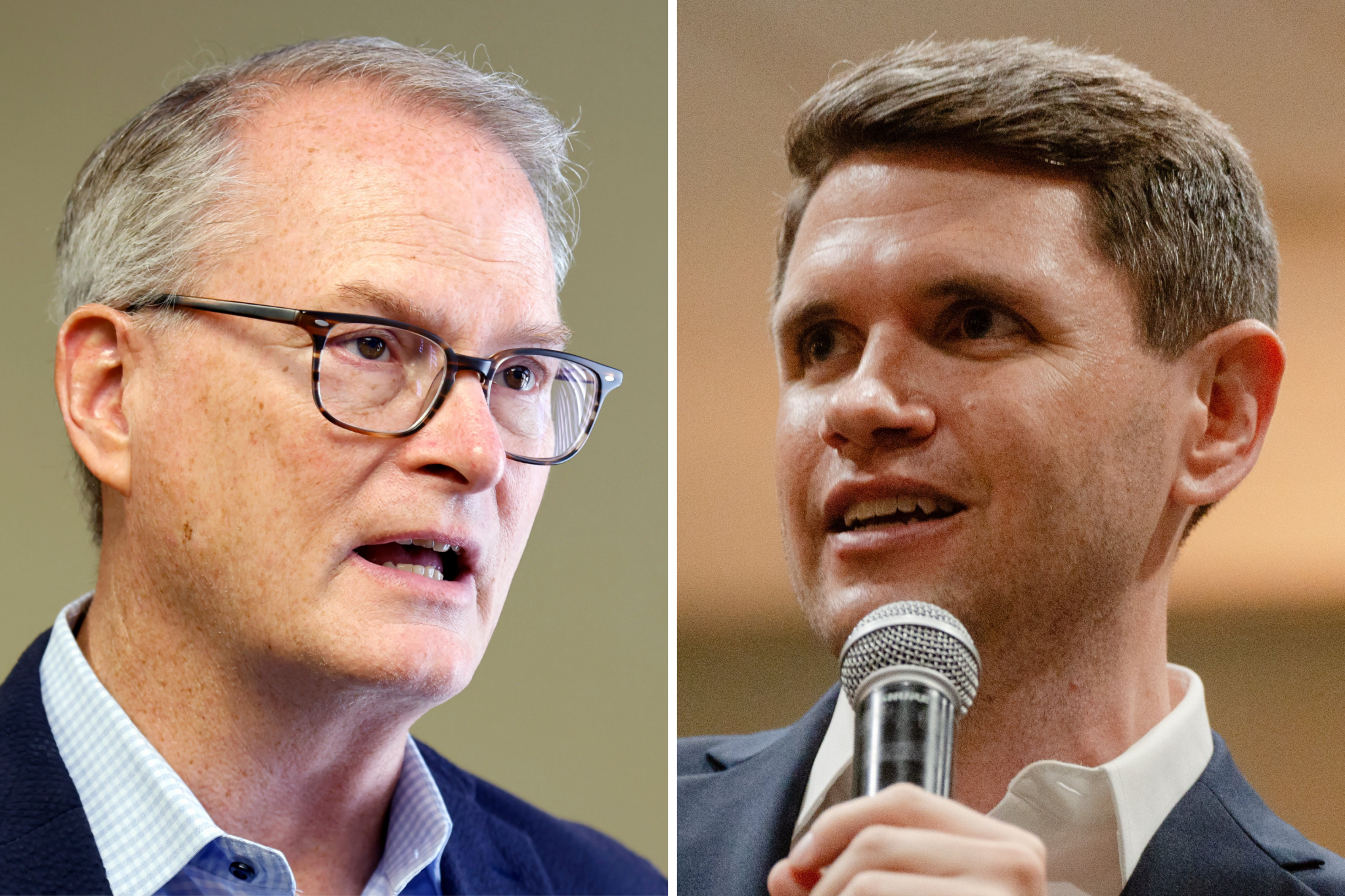
In Kansas, Democratic Senate candidate Adam Hamilton has brought on Austin Gilpin, a former Republican strategist who previously worked with the Kansas Republican Party and GOP Representative Ron Estes. Similarly, in Texas, Democratic candidate James Talarico has hired Jacob Smith, a former aide to Republican Senator John Cornyn. Both hires signal a strategic effort to build credibility and attract voters in these competitive states.
Key Candidates and Their Campaigns
Hamilton’s campaign in Kansas is seen as a long shot, but his team is optimistic about making the race more competitive. The state voted for Trump by 16 points in 2024, yet Democrats believe Hamilton, a pastor with a strong local presence, can make an impact. The Cook Political Report currently classifies the Kansas race as “Likely Republican,” but recent developments have raised hopes among Democrats.
Gilpin, who joined Hamilton’s campaign in June, has spoken out against the direction of the Republican Party. In a statement, he criticized Senator Roger Marshall for prioritizing party loyalty over the interests of Kansans. He emphasized the need for leaders who can find common ground and address real issues, suggesting that Hamilton is capable of doing just that.
In Texas, Talarico’s campaign is gaining momentum, especially after the primary victory of Ken Paxton, the conservative attorney general. Despite Texas’ strong Republican leanings, polls show Talarico leading Paxton in recent surveys. A poll from Texas Public Opinion Research (TPOR) indicated a 6-point lead for Talarico, while another from the University of Texas showed a 3-point advantage. These results suggest that the race is becoming increasingly competitive.
Smith, who previously worked for Cornyn, has praised Talarico’s focus on everyday people and criticized Paxton’s leadership. He believes that many Republicans are disillusioned with Paxton and are open to supporting Talarico at the ballot box.
Challenges and Shifts Within the Parties
While the GOP faces internal challenges, the Democratic Party is also experiencing its own struggles. In Michigan, some moderate Democrats are resisting the party’s nominee, Abdul El-Sayed, a progressive candidate. Critics argue that El-Sayed’s positions on Israel and healthcare, along with his association with activist Hasan Piker, make him unappealing to certain voters.
Representative Karen Whitsett, a member of the “Democrats for Rogers” coalition, has openly supported Republican Mike Rogers, citing health care as a key issue. She claims that El-Sayed’s support for Medicare for All would jeopardize existing health insurance plans. Similarly, New Jersey Democrat Josh Gottheimer has expressed no support for El-Sayed, highlighting the internal divisions within the party.
Polling and the Path Forward
Polling data from both Kansas and Texas indicates that the races are closely contested. In Kansas, the Public Policy Polling survey showed Marshall leading Hamilton by one point, while a GBAO poll suggested a 4-point advantage for Marshall. These results reflect the difficulty of predicting the outcome in a state that has historically favored Republicans.
In Texas, the latest polls offer a more promising outlook for Talarico. The TPOR and University of Texas surveys both indicate a narrowing gap between Talarico and Paxton, suggesting that the race could be a toss-up. However, the ultimate success of these campaigns will depend on factors such as voter turnout, campaign strategy, and broader political trends.
Conclusion
The shifting loyalties of Republican staff and the evolving dynamics within both parties underscore the complexity of the 2026 Senate races. As Democrats seek to capitalize on opportunities in traditionally Republican states, they must navigate not only the challenges of winning over voters but also the internal divisions within their own party. The outcomes of these races could have significant implications for the future of American politics.

Tinggalkan Balasan